
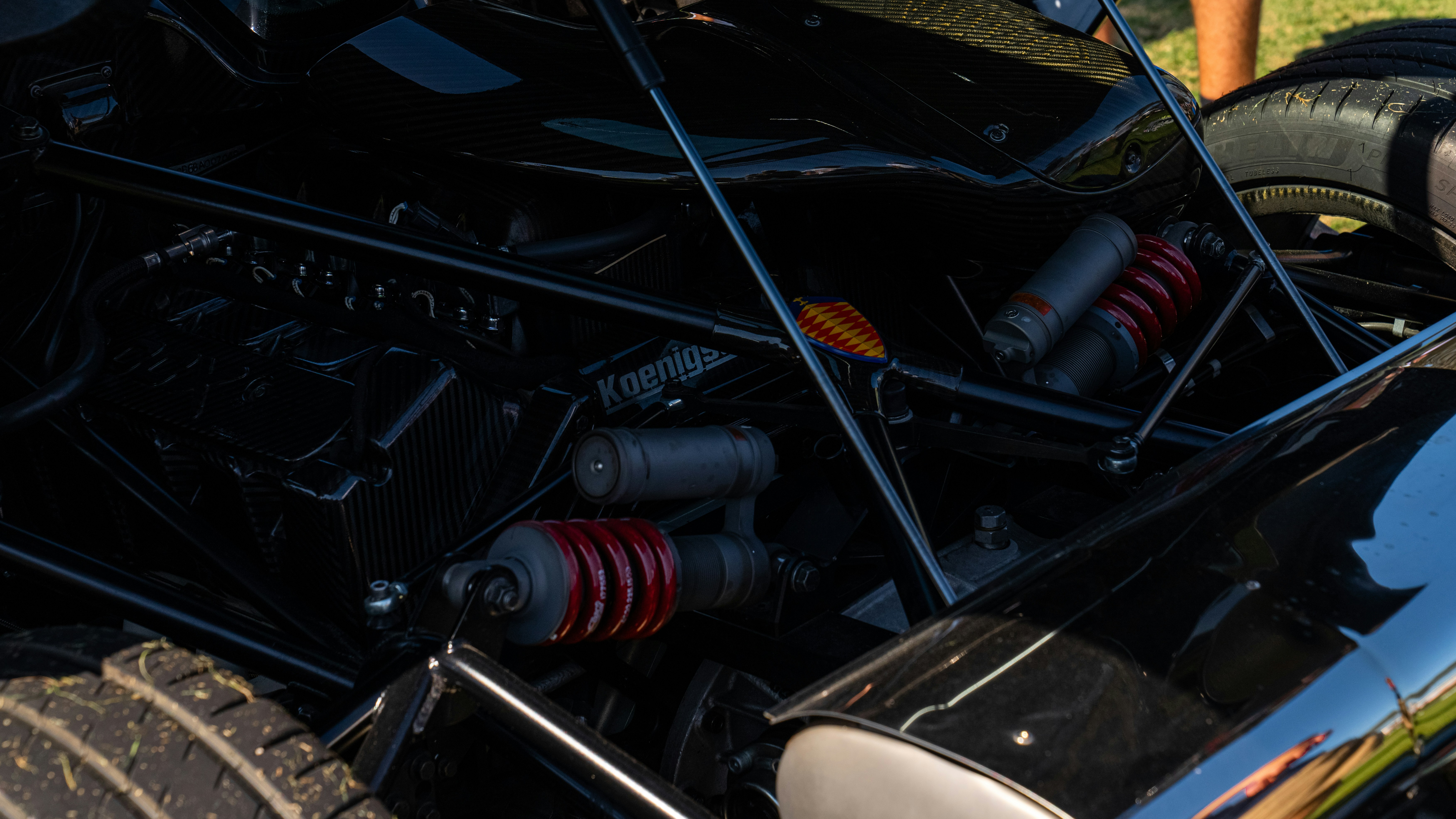
What is a Suspension System?
The suspension system in a vehicle is a crucial component that directly contributes to its overall performance and ride quality. Its primary purpose is to manage the vehicle’s dynamics by absorbing shocks and bumps from the road, enhancing both comfort and stability. A well-functioning suspension system ensures that the tires maintain consistent contact with the road surface, which is essential for optimal handling and control.
There are several types of suspension systems utilized in vehicles, each offering distinct functions and benefits. The most common types include traditional, independent, and semi-independent systems. Traditional suspension systems, often referred to as solid axle systems, are widely found in trucks and older vehicles. They consist of a fixed axle connected to both wheels, which provides durability but may sacrifice ride comfort.
On the other hand, independent suspension systems are designed to allow each wheel to move independently of the other. This design improves ride comfort and handling characteristics, as it enables better shock absorption and reduces the impact of road irregularities. Independent suspension systems can be further divided into front and rear configurations, often featuring components like control arms and coil springs.
Semi-independent suspension systems represent a middle ground between traditional and independent designs. They allow for some degree of wheel independence while maintaining a connection with the axle, providing a balance between ride quality and structural ruggedness. Regardless of the type, all suspension systems aim to keep the vehicle stable during driving, reduce body roll during cornering, and offer a smooth ride for occupants.
Common Types of Suspension Systems
Suspension systems in vehicles play a crucial role in providing comfort, stability, and handling performance. Various types of suspension systems have been developed over the years, each designed with specific features to cater to different vehicle purposes and sizes.
One of the most prevalent types is the MacPherson strut suspension. This system combines a shock absorber and a coil spring into a single unit, usually located at the front wheels. The simplicity of the design allows for easier manufacturing and installation, which is why it is commonly found in compact cars. The MacPherson strut provides an effective balance between cost and performance, maintaining adequate handling characteristics while minimizing weight.
Another essential suspension system is the multi-link suspension, often used in higher-end vehicles and sports cars. This system consists of multiple arms and links that allow for superior wheel control and handling. Multi-link suspensions can adapt to various road conditions, offering enhanced ride quality and performance dynamics. While they are more complex than simpler designs, they excel in providing stability during cornering, making them ideal for performance-oriented vehicles.
Leaf springs are traditionally associated with trucks and larger vehicles. This system consists of several layers of steel that form a flexible spring. Leaf springs are robust and can support heavy loads, which is why they are commonly found in vehicles designed for towing and carrying heavy equipment. Their simplicity and effectiveness in load distribution make them a popular choice for commercial vehicles.
Lastly, coilover suspension systems combine a shock absorber and spring into a single unit, offering adjustable ride height and damping characteristics. Frequently utilized in racing and custom vehicles, coilovers allow for precise tuning to meet the specific demands of different driving conditions.
Understanding these common types of suspension systems can provide valuable insight into automotive engineering advancements and enhance car owners’ appreciation for the functionality of their vehicles.
Signs of a Damaged Suspension System
Identifying signs of a damaged suspension system is crucial for maintaining vehicle safety and performance. One of the primary indicators of suspension damage is unexplained or excessive tire wear. When the suspension system fails to maintain the correct wheel alignment, it can lead to uneven tire wear, often resulting in bald spots or friction on one edge of the tire. Regularly inspecting tire conditions can provide early warnings of suspension issues.
Another significant sign of suspension system damage is experiencing a bumpy ride. A well-functioning suspension is designed to absorb shocks from the road; if the ride feels harsh or uncomfortable, it could indicate worn shock absorbers or struts. Drivers may also notice that the vehicle loses stability while navigating bumps or potholes, signaling potential suspension failures.
Additionally, if a vehicle pulls to one side while driving on a straight roadway, it can suggest alignment issues often attributed to suspension problems. Such pulling can endanger the driver’s ability to control the vehicle, making it essential to address quickly.
Often accompanying these symptoms are clunking noises during road travel. These sounds usually indicate that components within the suspension system, such as bushings or control arms, may be loose or damaged. If left unaddressed, these mechanical failures can lead to more severe issues.
Visually inspecting suspension components is another effective way to detect damage. Look for signs of leaks, rust, or corrosion on shocks and struts. Regular maintenance and timely repairs are vital in keeping the suspension system in check, ensuring not only optimal vehicle performance but also safety on the road.
How to Inspect and Maintain Your Suspension System
Inspecting and maintaining your car’s suspension system is essential for ensuring optimal vehicle performance and safety. Regular checks can help identify potential issues before they escalate into more significant problems. Start by assessing the ride height of your vehicle; if one corner appears lower than the others, this may signal issues such as worn springs or damaged shocks. Ensure that all four corners of the vehicle sit level to avoid uneven wear on tires.
Next, conduct a visual inspection of the shock absorbers. Look for signs of leakage, which often manifests as oil seepage along the shock housing. Leaks suggest that the shock absorbers are probably compromised and may require replacement to maintain proper handling and stability. Additionally, check the surrounding components, including rubber bushings and mounting brackets, for any signs of wear or damage.
As you drive, listen for unusual noises, such as clunks or rattles, that may indicate suspension problems. Pay attention to how the car responds to bumps and dips in the road; excessive bouncing or a harsh ride may illustrate suspension component failure. Additionally, cornering should feel stable—if the car sways or leans excessively, it warrants further investigation.
While basic inspections can be performed at home, it is imperative to adhere to a professional maintenance schedule. Seeking mechanical assistance from a trusted technician is advisable if any warnings arise from your inspections. A professional can provide a comprehensive evaluation and undertake necessary repairs or replacements. Remember that regular maintenance not only prolongs the life of your suspension system but also enhances overall safety and vehicle reliability. By prioritizing these practices, you contribute significantly to the longevity and performance of your vehicle’s suspension system.
Leave a Reply