Introduction to Automatic Transmissions and Gearbox Functionality
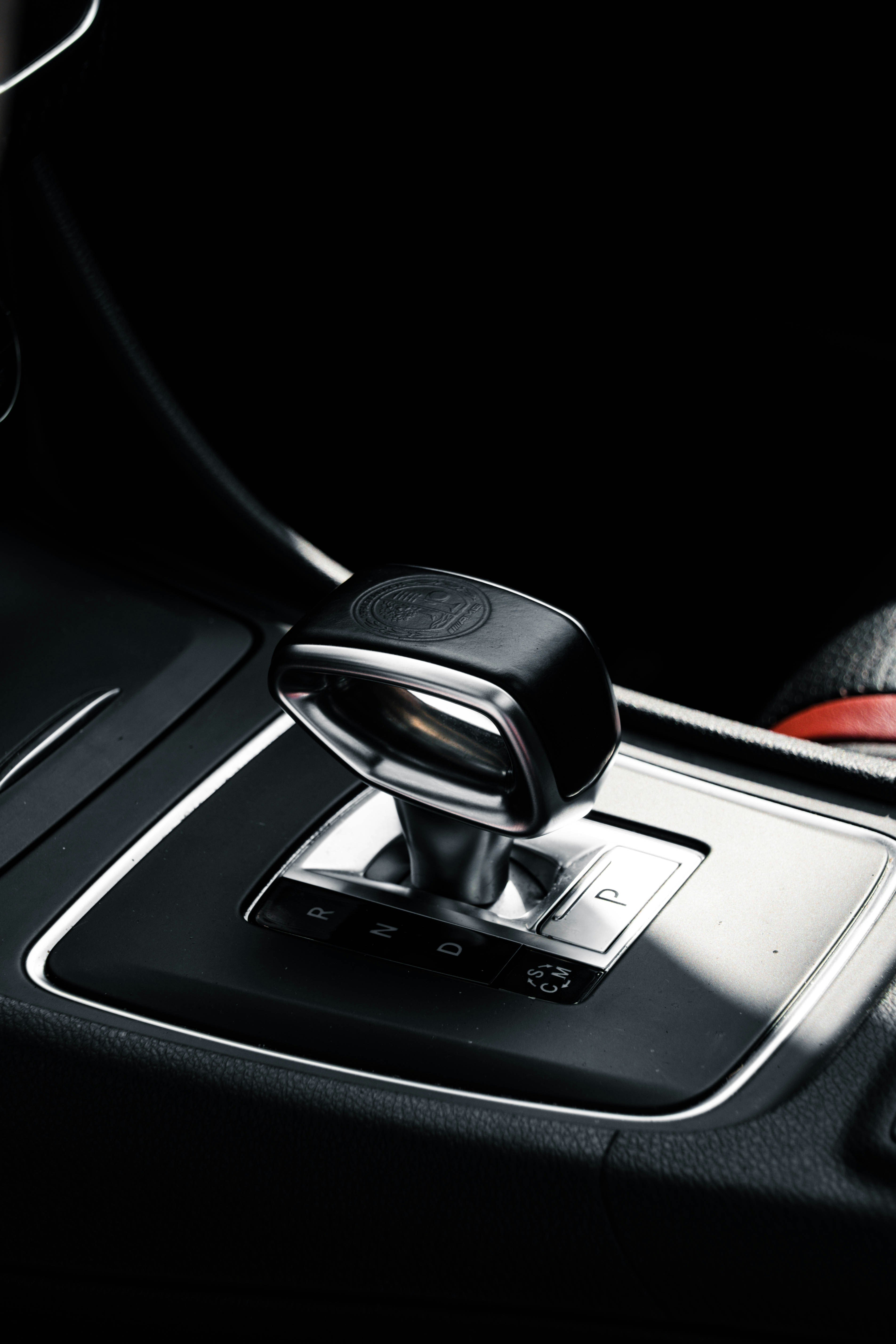
Automatic transmissions are a vital component of contemporary vehicles, eliminating the need for manual gear selection by the driver. These systems utilize a complex network of components to facilitate seamless gear shifting, allowing for a smooth driving experience. The primary function of the gearbox within this system is to transmit power from the engine to the wheels, ensuring optimal performance in various driving conditions. The gearbox comprises several key elements, including gears, clutches, and hydraulic systems, all of which work cohesively to perform automatic shifting.
At its core, an automatic transmission relies on sensors to monitor vehicle speed, engine load, and throttle position. This data is transmitted to the transmission control unit (TCU), which determines the appropriate gear ratio for optimal performance. The gearbox engages and disengages various gears using hydraulics, allowing for a smooth transition between different speeds. This automatic process enhances driver comfort and vehicle handling, making automatic transmissions immensely popular.
Understanding the functionality of the gearbox is essential, as it directly impacts the reliability and efficiency of a vehicle. A well-functioning gearbox contributes to improved fuel economy, enhanced acceleration, and overall better vehicle performance. Conversely, complications within the gearbox can lead to transmission problems, affecting the entire automatic transmission system. Therefore, recognizing the importance of gearbox functionality is crucial for diagnosing issues and maintaining a vehicle’s operational integrity, ensuring safety on the road.
Common Causes of Gearbox Problems
Automatic transmissions are complex systems that rely on various components working in harmony to function correctly. Several factors can lead to gearbox problems, which can compromise the overall performance of the vehicle. Understanding these causes is essential for identifying potential issues and maintaining a healthy transmission.
One leading cause is fluid contamination. Automatic transmission fluid (ATF) serves as a lubricant, coolant, and hydraulic fluid, and any contamination can significantly impair its effectiveness. Dirt, debris, and other particulates can create friction, leading to overheating and ultimately causing damage to the internal components of the gearbox. Regularly checking and replacing the fluid is crucial in preventing such problems.
Overheating is another prevalent issue linked to gearbox malfunctions. Various factors, including low ATF levels or a faulty cooler, can contribute to excessive heat buildup. Prolonged exposure to high temperatures can result in the breakdown of transmission fluid, leading to increased wear and tear on gears and bearings. It is vital to address any signs of overheating promptly to avoid costly repairs.
Mechanical wear and tear are inevitable as vehicles age and accumulate mileage. Components such as clutches, gears, and seals can deteriorate over time, affecting their performance and efficiency. Regular maintenance, including inspections, can help identify worn parts before they lead to gearbox failure.
Electrical system malfunctions can also contribute to gearbox issues. Automatic transmissions rely on electronic controls to manage shifting and performance. Any faults in these systems, such as sensor failures or wiring problems, can disrupt the operation of the gearbox.
Lastly, manufacturing defects, although less common, can still be a factor. Flawed components or assembly errors during production can lead to premature failure, signifying the importance of quality control during the manufacturing process. Recognizing these common causes can empower vehicle owners to take proactive measures in maintaining their automatic transmissions.
Signs and Symptoms of Gearbox Problems
Automatic transmissions are complex systems that can experience a variety of issues, often indicated by specific warning signs. Recognizing these symptoms early can prevent further damage and costly repairs. One of the most common indicators of gearbox problems is unusual noises. These may include grinding, whining, or clunking sounds when shifting gears, suggesting wear or damage in the internal components of the transmission.
Another critical sign is gear slipping, where the transmission unexpectedly changes gears or fails to engage properly. This phenomenon can lead to reduced acceleration and compromised driving safety. Drivers might also notice delayed shifting, where there is a noticeable lag between pressing the accelerator and the transmission responding. This delay can indicate issues with the transmission fluid or internal components failing to engage the gears promptly.
Warning lights on the dashboard are designed to alert drivers to potential problems. A check engine light or a specific transmission warning light should not be ignored, as they often signal that the vehicle requires immediate diagnostic attention. Furthermore, fluid leaks under the vehicle represent a significant concern. The transmission fluid is vital for lubrication and hydraulics within the system; even a small leak can lead to low fluid levels, ultimately causing gearbox malfunctions.
In addition to these signs, drivers may experience erratic behavior, such as sudden jerking motions while accelerating or decelerating. This can be disconcerting and is often indicative of gearbox problems. If any of these symptoms arise, it is essential to consult with a qualified mechanic for a thorough diagnosis. Early detection and repair of automatic transmission issues can save vehicle owners from more serious, costly repairs down the line.
Preventative Measures and Maintenance Tips
Ensuring the longevity and proper functioning of automatic transmissions requires a commitment to regular maintenance and preventative measures. One fundamental aspect of maintaining an automatic transmission is to perform regular fluid checks and changes. Transmission fluid plays a crucial role in lubricating various components and ensuring smooth gear shifts. It is advisable to consult your vehicle’s owner manual for specific intervals at which fluid changes should occur, but a general guideline suggests checking this fluid every 30,000 to 60,000 miles.
Equally important is the necessity of using the correct transmission fluid specific to your vehicle. Different makes and models have distinct requirements when it comes to transmission fluid, and using a fluid that does not meet the manufacturer’s specifications can lead to performance issues. Therefore, always refer to your owner’s manual or consult with a professional mechanic to ensure you choose the right product.
Maintaining proper operating temperature is also vital. If an automatic transmission runs too hot, it can cause significant damage and lead to gearbox failures. To help manage this, ensure that your vehicle’s cooling systems, including the radiator and coolant, are functioning correctly. Additionally, be aware of indicators such as warning lights, poor shifting performance, or odd noises, as these may signal imminent issues.
Addressing minor issues promptly can also prevent major gearbox problems in the future. Regular inspections by a qualified technician can help identify and rectify problems before they escalate. Investing in professional servicing as part of your ongoing vehicle care can significantly mitigate the risks associated with gearbox failures. By adhering to these preventative measures and maintenance tips, vehicle owners can promote an efficient and reliable automatic transmission system.
Leave a Reply