
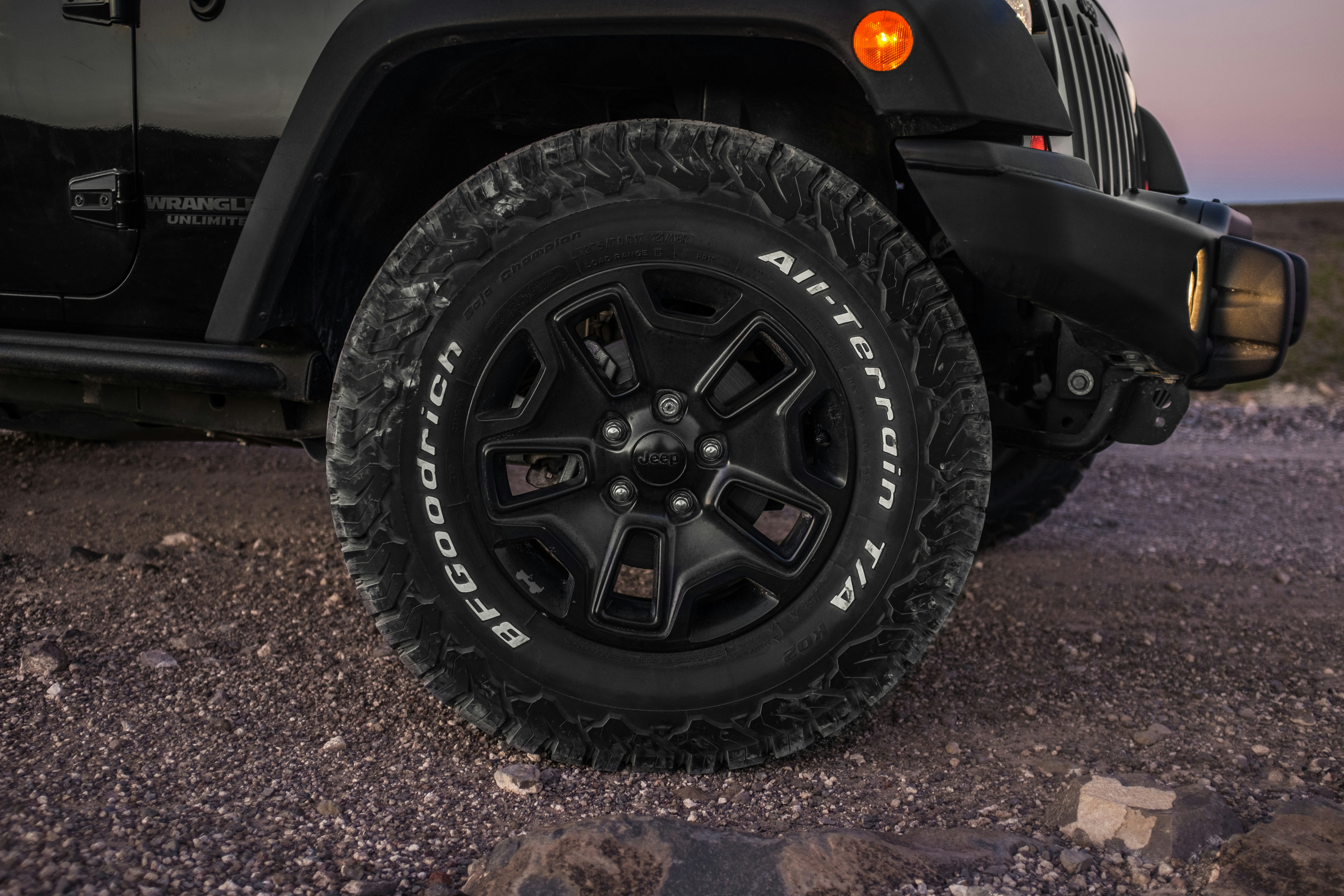
Introduction to Tyre and Rim Sizes
Understanding tyre and rim sizes is essential for optimizing vehicle performance and ensuring safety on the road. The markings on a tyre, such as 205/55 R16, provide critical information regarding its dimensions and capabilities. In this example, ‘205’ represents the tyre’s width in millimetres, ’55’ indicates the aspect ratio—where the height of the sidewall is expressed as a percentage of the width—and ‘R16’ signifies that the tyre is designed to fit a 16-inch rim. Familiarity with these specifications is crucial for selecting the right tyres for your vehicle.
Proper alignment of tyre sizes with the correct rim is vital for maintaining optimal handling and comfort while driving. Mismatched tyre and rim sizes can lead to various issues, including decreased fuel efficiency, unstable handling, and increased wear on tyres. Additionally, a mismatched size can compromise safety, particularly in adverse weather conditions where grip is essential.
The market offers various types of tyres designed for different driving conditions. All-season tyres provide versatility suitable for a range of weather conditions, making them an ideal choice for drivers who experience mild climates. On the other hand, winter tyres, with their unique tread patterns and rubber compounds, are engineered to provide superior traction and control in cold, icy, and snowy conditions. Performance tyres, often utilized by enthusiasts seeking enhanced handling characteristics, offer improved grip and responsiveness, particularly during high-speed driving.
In summary, being well-informed about tyre and rim sizes, their significance, and the variety of tyre types available can greatly impact vehicle performance, safety, and overall driving experience. By understanding these factors, drivers can make informed decisions that enhance their vehicles’ functionality across different terrains.
How to Read Tyre Size Specifications
Understanding how to read tyre size specifications is essential for making informed decisions about the right tyres for your vehicle. The tyre’s sidewall features a series of numbers and letters that convey critical information about dimensions, construction, and performance capabilities.
The first number typically seen in the tyre size specification represents the section width, measured in millimetres. For example, in a size denoted as 225/45R17, the “225” indicates that the tyre has a section width of 225 mm. This measurement is crucial because it significantly impacts the tyre’s grip, fuel efficiency, and overall performance.
Next, the aspect ratio follows the section width, represented as a percentage, indicating the height of the sidewall in relation to the section width. In the example given, “45” signifies that the sidewall height is 45% of the section width, meaning the tyre has a relatively low profile. Tyres with a lower aspect ratio typically offer better handling and stability, making them suitable for performance vehicles.
The letter that follows the aspect ratio describes the construction type of the tyre. The “R” denotes radial construction, which is the most common type for passenger vehicles. Radial tyres are known for providing better performance, durability, and fuel efficiency compared to bias-ply tyres. Some specifications may use a “D” to indicate diagonal or bias construction, though these are less prevalent in modern vehicles.
Finally, the last number in the tyre size indicates the rim diameter, measured in inches. In our example, “17” means that the tyre is designed to fit a 17-inch rim. It is crucial to pair the correct tyre size with compatible rim dimensions to ensure proper fitment and optimal performance. When you understand these specifications, you are better positioned to choose the right tyre for your terrain and driving needs.
Tyre Mileage Expectations: Good vs Bad Terrain
Understanding tyre mileage is crucial for vehicle maintenance and cost management. Different terrains significantly impact the lifespan and performance of tyres. Good terrain typically refers to smooth, flat surfaces, like highways and well-maintained roads. In these conditions, tyres experience minimal abrasion, allowing them to achieve optimal mileage. For instance, a typical tyre could last between 50,000 to 70,000 miles on good terrain, as the wear is evenly distributed, and the chances of punctures or damage are considerably lower.
In contrast, bad terrain includes rocky, uneven, or muddy surfaces, where the tyres encounter harsher conditions. Driving in these environments often accelerates tyre wear due to increased friction and irregular surface interactions. As a result, the mileage expectation can drop significantly—tyres may only last between 20,000 to 40,000 miles under these circumstances. The ruggedness of bad terrain not only exacerbates physical wear but also increases the likelihood of damage from obstacles.
Real-world examples illustrate these differences. Studies indicate that vehicles primarily used on rough terrains suffer from a higher than average rate of tyre failure, with up to 30% requiring replacement within just a year. Additionally, maintenance practices play an essential role in extending tyre longevity. Regularly checking tyre pressure, rotating tyres, and ensuring proper alignment can mitigate some adverse effects of bad terrain. Furthermore, choosing the right type of tyre appropriate for the driving conditions can enhance grip and reduce wear, allowing for increased mileage even in challenging situations.
Choosing the Right Tyres for Your Vehicle and Driving Conditions
Selecting the appropriate tyres for your vehicle is critical to ensuring safety, efficiency, and optimal performance across various driving conditions. Different vehicles and terrains necessitate distinct tyre specifications, and understanding these elements is essential for making an informed choice.
One of the first considerations should be your driving habits. If you predominantly drive in urban settings, where the roads are typically well-maintained, you may opt for all-season tyres. Conversely, if your driving involves rugged terrains or off-road conditions, selecting tyres designed specifically for these environments—such as all-terrain or mud-terrain tyres—can enhance traction and control.
The vehicle specifications also play a vital role in tyre selection. Always consult your vehicle’s manual for recommended tyre sizes and types. Proper rim sizes, load capacities, and speed ratings are essential factors to ensure compatibility. Tyres that exceed or do not meet these specifications can lead to performance issues and compromise safety.
Climate is another important determinant. For example, if you reside in an area with harsh winters, investing in winter tyres can significantly improve grip and handling on snow and icy roads. Conversely, in hot climates, summer tyres are better suited, as they offer improved heat dissipation and performance.
It is also crucial to monitor the tread depth and overall condition of your tyres regularly. Signs of wear such as uneven tread patterns, cracking, or bulging indicate that replacement is necessary. Furthermore, if you frequently experience a decrease in traction or notice your vehicle pulling to one side, these could be indicators of tyre problems that require immediate attention.
For optimal safety and performance, consulting a professional tyre specialist can provide valuable insights tailored to your unique driving requirements and conditions. A qualified expert can assist in evaluating your current tyres and recommending suitable replacements based on your needs.
Leave a Reply